Energy

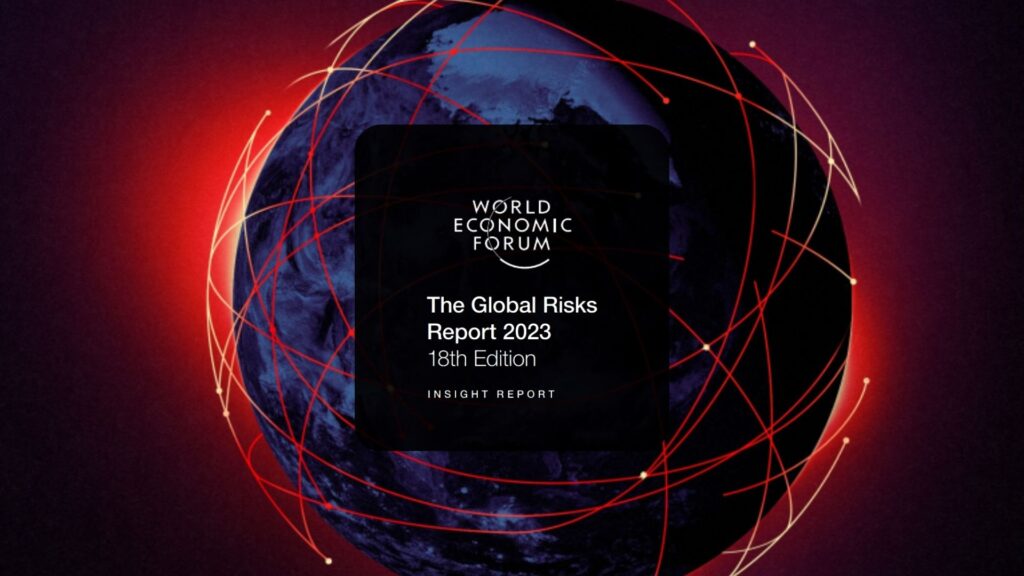
World Economic Forum’s Global Risks Report 2023

Global Risks Report 2023

This 18th edition of the World Economic Forum’s Global Risks Report is based on a risk perceptions survey of 1200 experts on the likelihood, severity, and interconnections between 37 global risks. It finds that the biggest risk in the next two years is the cost of living crisis, and the biggest risk in the next […]

Global Risks Report 2023 Read More »
Top Risks 2023

Ian Bremmer and Cliff Kupchan present their top ten geopolitical risks for 2023: an increasingly rogue and reckless Russia; an increasingly powerful and unconstrained Xi Jinping; the weaponization of artificial intelligence; shockwaves of global inflation; Iran backed into a corner; higher energy prices; reversals of development; political divisions in the United States; the disruptive digital

Top Risks 2023 Read More »

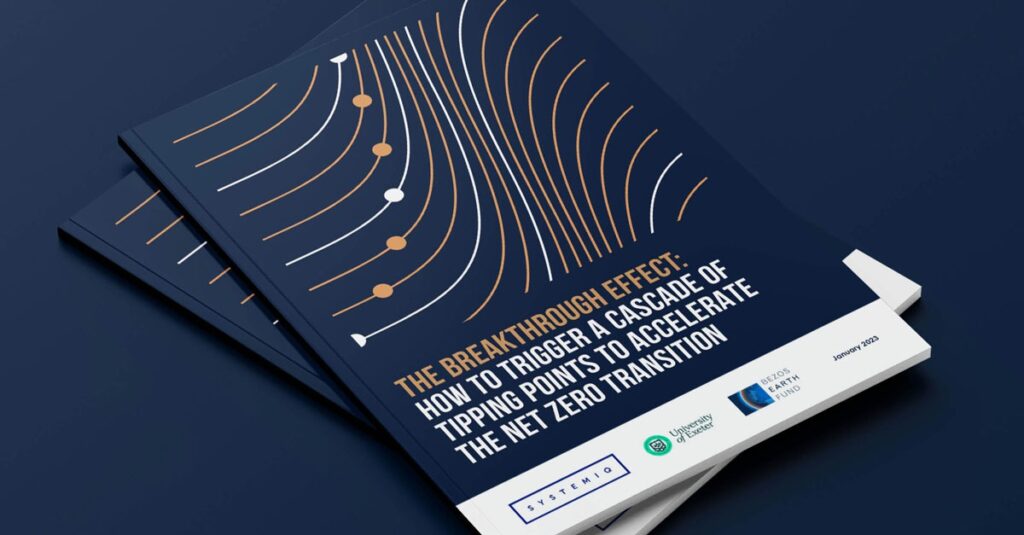
The Breakthrough Effect: How to Trigger a Cascade of Tipping Points to Accelerate the Net Zero Transition

The Breakthrough Effect: How to Trigger a Cascade of Tipping Points to Accelerate the Net Zero Transition

This report analyzes actionable “tipping points” within global energy systems (fertilizer, shipping, power, etc.) that could produce a cascade of emissions reductions. The technology adoption needed to reach these positive tipping points is dependent on cost-effectiveness, attractiveness, and accessibility, but if these barriers are overcome, it could result in massive, self-reinforcing environmental improvements. The authors

The Breakthrough Effect: How to Trigger a Cascade of Tipping Points to Accelerate the Net Zero Transition Read More »

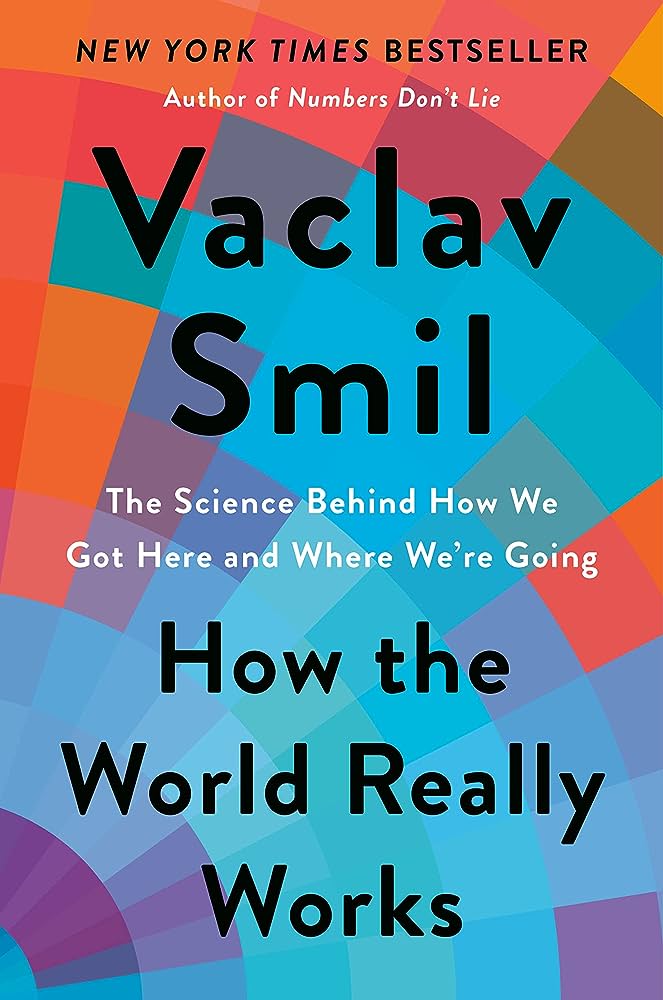
How the World Really Works

Against those who anticipate a smooth, timely transition to renewable energy and net-zero carbon emissions, Vaclav Smil argues that we are much more dependent on fossil fuels than we recognize so that an energy transition will be difficult and tumultuous. “The real wrench in the works: we are a fossil-fueled civilization whose technical and scientific

How the World Really Works Read More »

What are Cascading Disasters?

The authors argue that the world’s dependence on networks and critical infrastructure renders it increasingly vulnerable to “cascading disasters” in which “it is common for the secondary effects to be new sources of impact, which may be more devastating than the original trigger.” To help analyze the vulnerability pathways through which disaster cascades propagate, they

What are Cascading Disasters? Read More »

The Age of Sustainability: Just Transitions in a Complex World

Mark Swilling proposes that “we need to understand the dynamics of the current global polycrisis as the emergent outcome of intersections between four dimensions of transition: socio-metabolic transition, techno-economic transition, socio-technical transition and long-term global development cycles. When understood as multiple cycles that intersect concurrently and asynchronistically across these four dimensions, the emergent outcome can

The Age of Sustainability: Just Transitions in a Complex World Read More »

The Crisis in Crisis

In this essay, Joseph Masco argues that the word “crisis” has become a counterrevolutionary term in American media and politics, used to stabilize existing conditions rather than address problems of militarism, economy, and the environment. By assessing nuclear and climate dangers, he suggests alternative approaches for creating positive futures without relying on the current discourse

The Crisis in Crisis Read More »

Synchronous Failure: The Emerging Causal Architecture of Global Crisis

The authors argue we are increasingly witnessing a new form global crises they characterize as “synchronous failure.” This form of crisis “is more biophysical in origin, more inter-systemic in manifestation, more global in scope, and more rapid in development” (5). The deep cause of synchronous failure are increases in energy throughput, heightened global connectivity, and

Synchronous Failure: The Emerging Causal Architecture of Global Crisis Read More »

Scroll to Top