Ecosystems

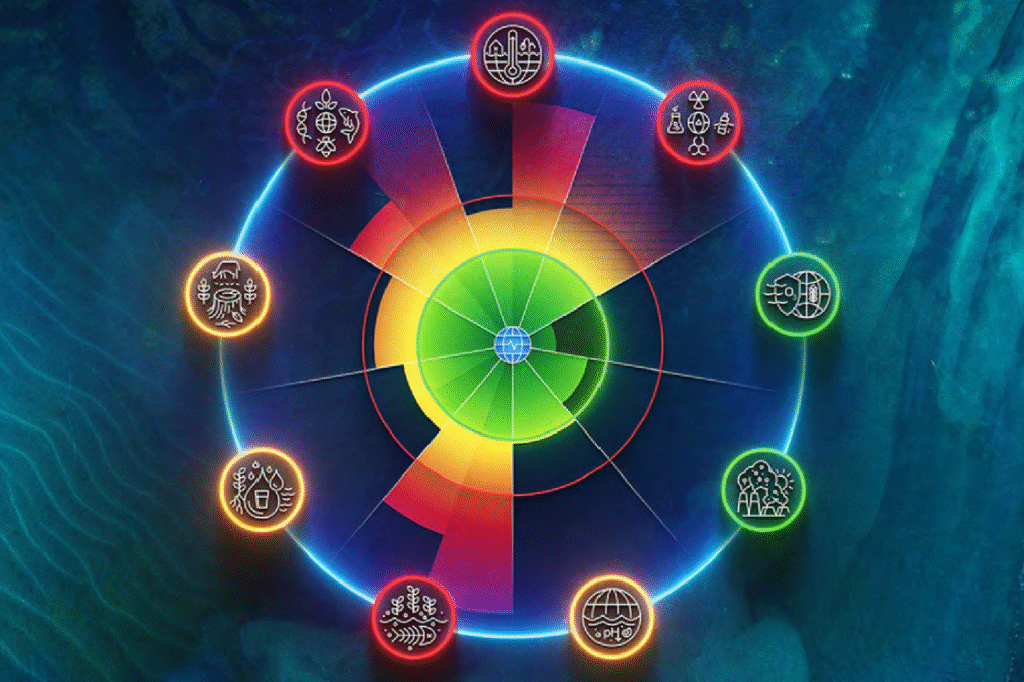
Planetary Health Check 2025: A Scientific Assessment of the State of the Planet

The Planetary Health Check report provides an assessment of the state of our planet. The report is based on the Planetary Boundaries -the nine processes that are known to regulate the stability, resilience and life-support unctions of our planet. The report concludes that seven out of nine Planetary Boundaries have been breached: Climate Change, Change

Planetary Health Check 2025: A Scientific Assessment of the State of the Planet Read More »

Wicked Problems: The Book

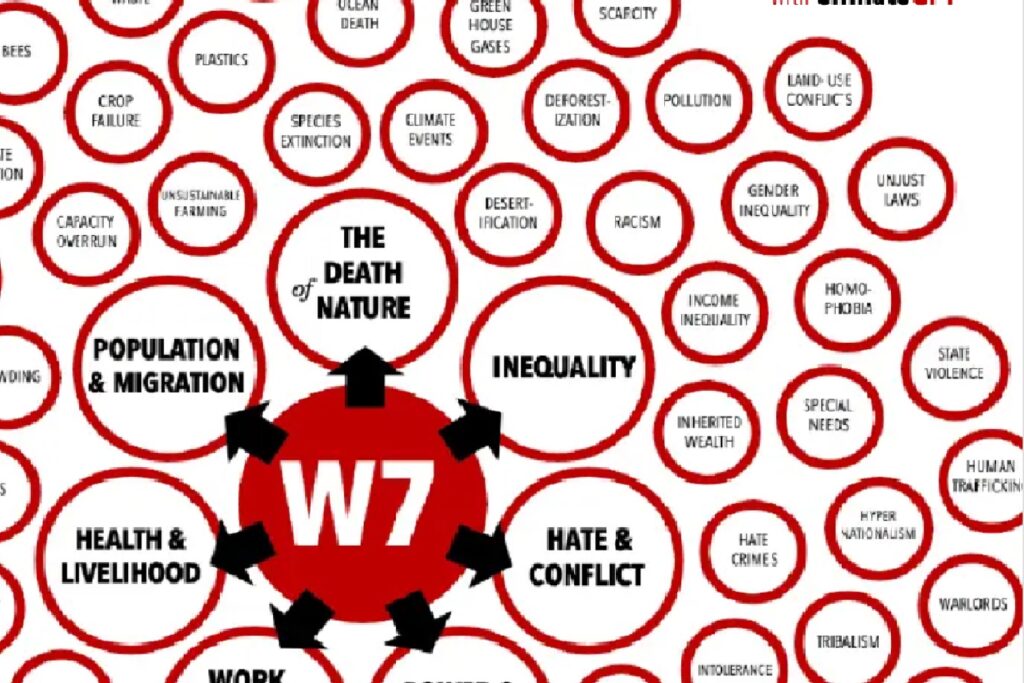
The authors examine why the world’s most urgent problems remain unsolved, emphasizing their interconnected and self-perpetuating nature. Drawing on theories of systemic failure and cumulative causation, they show how global issues interlock in degenerative cycles that cannot be addressed in isolation. By mapping 162 global issues into seven overarching categories, the “Wicked 7,” they identify

Wicked Problems: The Book Read More »

Confronting the interconnection of chemical pollution and climate change

The authors examine the interconnected challenges of climate change, chemical pollution, and biodiversity loss, emphasizing that climate mitigation often overlooks chemicals and materials. As most chemicals come from petrochemicals, reducing fossil fuel use requires shifting to alternative carbon sources, but this alone may worsen biodiversity loss. They propose a comprehensive strategy to address the interconnections

Confronting the interconnection of chemical pollution and climate change Read More »

A Systematic Review of Assessing Climate Change Risks on Species and Ecosystems: Bibliometric Overview, Concepts, Approaches, and Trends

The authors present a bibliometric analysis of the research landscape on climate change risk assessment for species and ecosystems, identifying key themes, trends and collaborations. They integrate correlative, mechanistic, trait-based and criteria-based approaches, offering a comprehensive evaluation of their strengths and limitations. Five foundational concepts are highlighted as central to assessing risk: exposure, sensitivity, adaptivity,

A Systematic Review of Assessing Climate Change Risks on Species and Ecosystems: Bibliometric Overview, Concepts, Approaches, and Trends Read More »

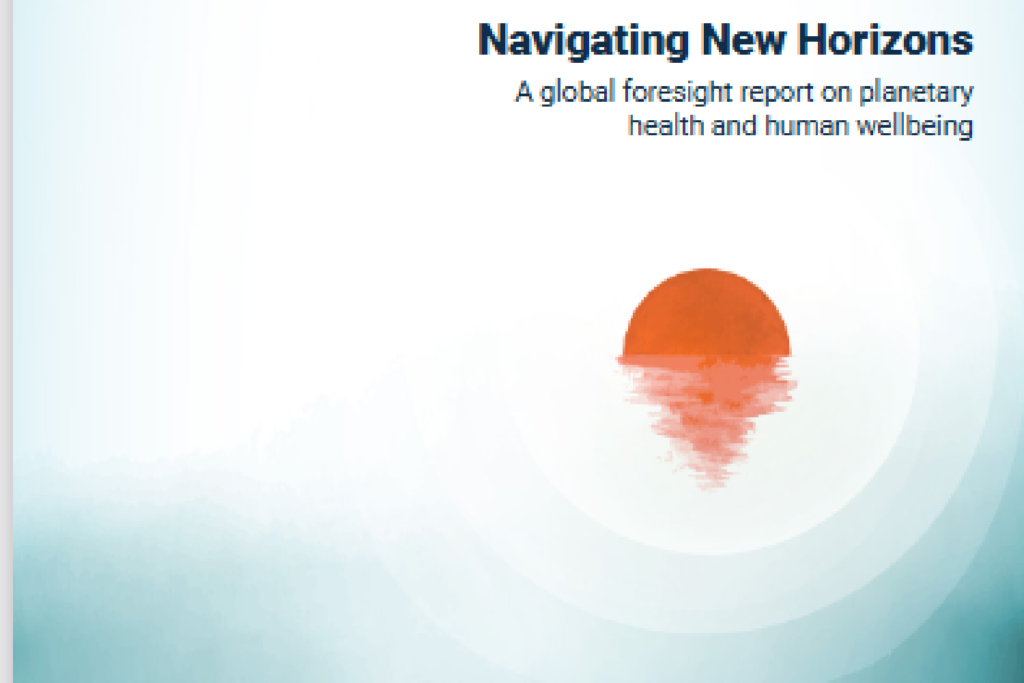
Navigating New Horizons: A global foresight report on planetary health and human wellbeing

The report outlines the results of the strategic foresight and horizon scanning developed by UNEP to help navigate current and future uncertainty and disruptive change. It presents insights on eight critical global shifts that are accelerating the planetary crisis of climate change, biodiversity and nature loss and, pollution and waste.

Navigating New Horizons: A global foresight report on planetary health and human wellbeing Read More »

Global Tipping Points Report 2023

Global Tipping Points is a report, led by the University of Exeter’s Global Systems Institute and funded by the Bezos Earth Fund, that identifies negative and positive tipping points with regards to ongoing global crises. According to the report, the existence of negative tipping points shows that the threats posed by the current crises we

Global Tipping Points Report 2023 Read More »

Transition and Climate Crisis with Sabrina Fernandes at the University of Bath

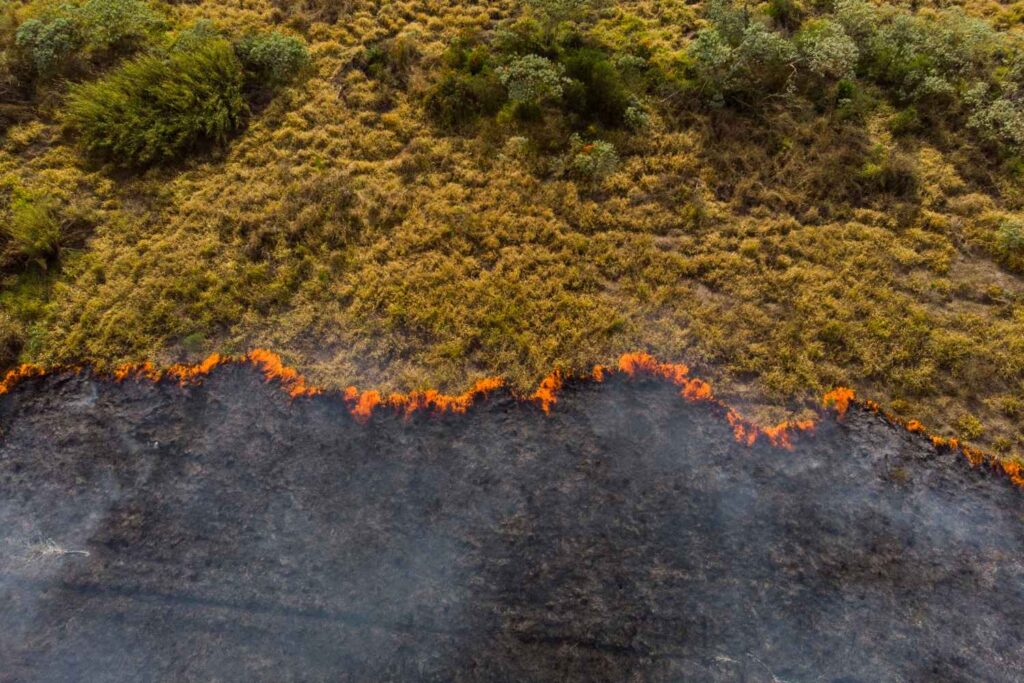
In this video, Dr. Sabrina Fernandes discusses how to rethink the Polycrisis from an internationalist Global South perspective and how it relates to transition and climate justice. Fernandes begins by using an aerial photograph as an illustration of the influences human actions have on nature and the climate crisis. Fernandes then touches on topics such

Transition and Climate Crisis with Sabrina Fernandes at the University of Bath Read More »

Evolution of the Polycrisis: Anthropocene Traps that Challenge Global Sustainability

In this article, the authors, inspired by the polycrisis, identify and explore potential 14 traps affecting humanity in the global human context, brought about by the trajectory of our increasing complexity and influence on the Earth system. These traps are then categorized as global, technological, or structural traps and then further assessed to produce statistical

Evolution of the Polycrisis: Anthropocene Traps that Challenge Global Sustainability Read More »

Scroll to Top